Skip to content
WILD KARAKORAM
Astore Markhor
← All expeditions
Trophy HuntAstore, Diamer

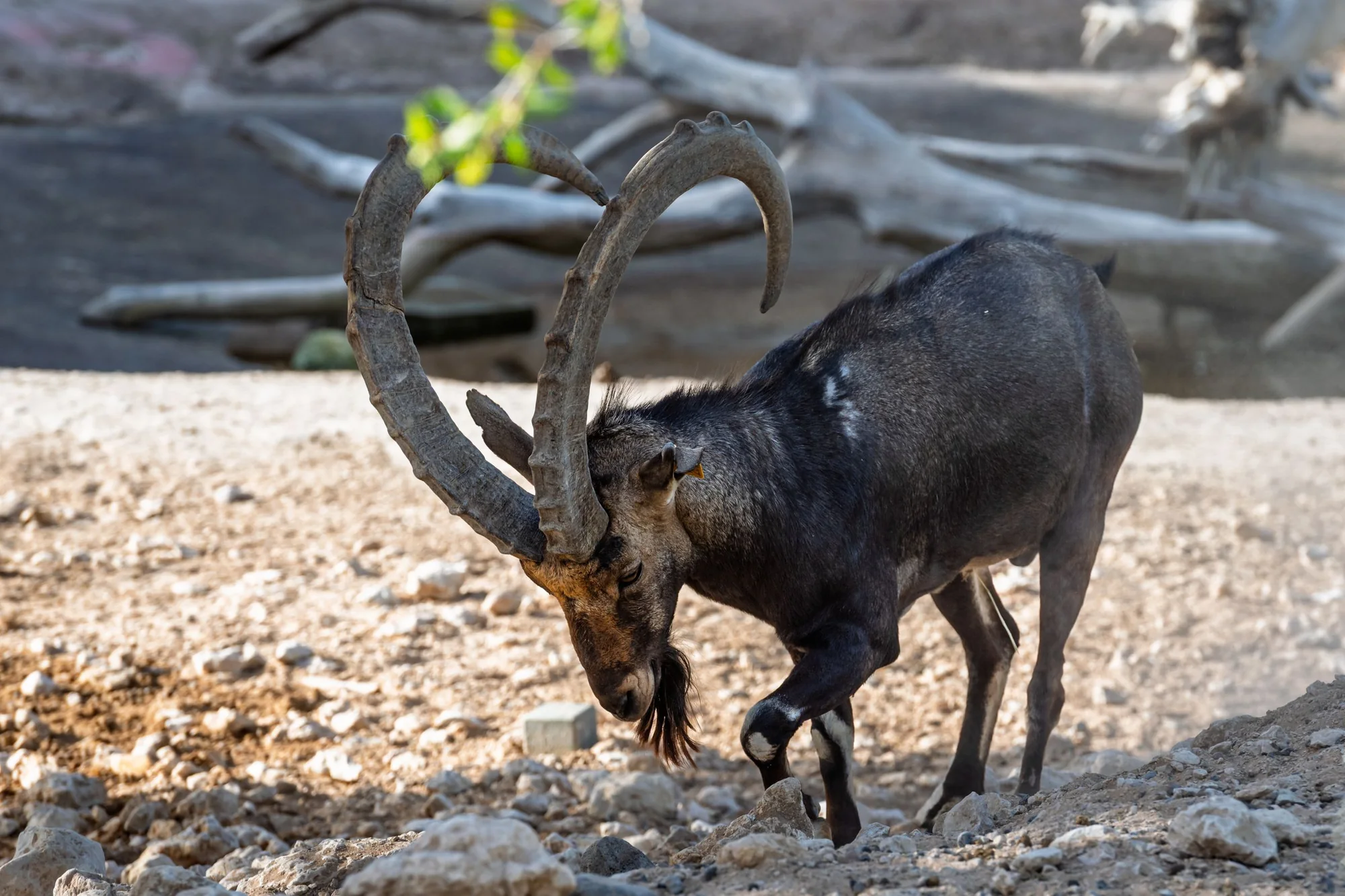
Astore Markhor

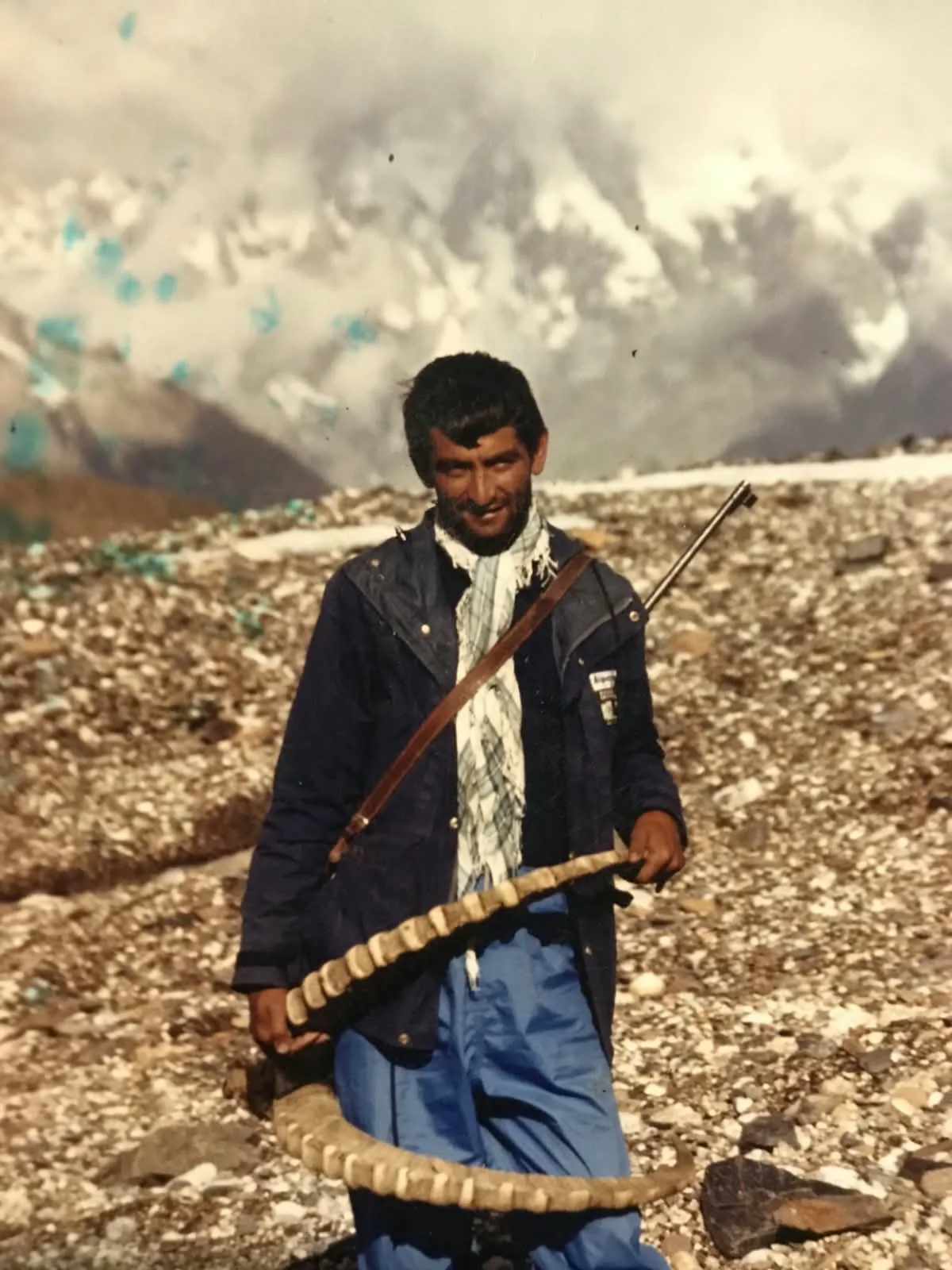
Pakistan's national animal, taken on a government issued permit under the community conservancy programme that brought the species back.

14 days from Islamabad, 8 of them on foot, reaching 4,200 m. November to April, in groups of 1 hunter plus one observer. Graded extreme.

The flare horned markhor of Astore is hunted on four permits a year, auctioned by the Gilgit-Baltistan Wildlife Department, with eighty per cent of the fee paid directly to the conservancy that protects the herd. It is steep, cold, technical winter hunting above 3,500 metres, often on foot from dark to dark. We have guided this programme since it began.

Day by day

  1. 1

    Islamabad

    You arrive in Islamabad, where the team meets you and handles rifle clearance and the collection of your permit documents. The evening is spent going over the plan for the hunt and the conservancy programme you are joining. It is a calm and organised start to the trip.

    Night at Hotel, 540 m.

  2. 2

    Drive to Astore

    The road runs north along the Karakoram Highway and then east into the Astore valley, with snow on the high peaks and pine forest on the slopes. Astore is a green valley under the shoulder of Nanga Parbat, and the lodge is warm and welcoming. You meet the community guides who will be with you throughout.

    Night at Lodge, 2,600 m.

  3. 3

    Zero rifles and brief

    A morning on the range to zero the rifles, followed by a briefing with the conservancy about the area, the permit and the herd. The community guides explain how the local protection programme has brought the markhor back from near disappearance. The area is allocated and the plan for the hunt takes shape.

    Night at Lodge, 2,600 m.

  4. 4

    Move to spike camp

    You move up the nala by jeep where the snow allows and on foot where it does not, with the local trackers leading the way. The spike camp sits high in the winter landscape, with long views across the valley and the peaks beyond. The evening is quiet and the air is clear and cold.

    5 hours on foot. Night at Spike camp, 3,400 m.

  5. 5

    Glassing

    The day is spent on the spotting scopes from dawn to dusk, with the trackers reading the hillside and identifying and ageing the animals. The skill of the local guides in finding markhor on a huge slope is a pleasure to watch. It is slow, patient work in one of the most beautiful winter landscapes in Asia.

    10 hours on foot. Night at Spike camp, 3,400 m.

  6. 6

    Hunt day

    With a mature animal chosen by the guides in line with the conservancy plan, the day begins with a careful climb into the right position. The trackers know every ridge and gully, and the pace is steady and respectful. The mountain provides its own rhythm and the group follows it.

    11 hours on foot. Night at Spike camp, 3,900 m.

  7. 7

    Hunt day

    High point

    If the first drainage does not offer an animal, the group moves to a second valley the trackers know well. The ground rises toward 4,200 metres, with wide views of the snow peaks and the frozen streams below. Each hour on the hill is a chance to see the wildlife of the high Karakoram.

    11 hours on foot. Night at Spike camp, 4,200 m.

  8. 8

    Hunt day

    High point

    The hunt continues with the same patient routine of glassing, moving and waiting. Most successful hunts fall between days six and ten, and the guides use all their local knowledge. Evenings at the spike camp are warm, with hot food and good company.

    11 hours on foot. Night at Spike camp, 4,200 m.

  9. 9

    Hunt day

    Another day of careful work on the hill, with the trackers adjusting to the weather and the movements of the herd. The winter light on the ridges is stunning and the landscape is quiet and open. The camp crew has hot tea waiting at the end of every day.

    11 hours on foot. Night at Spike camp, 3,900 m.

  10. 10

    Hunt day

    The group returns to the high ground with the same focus, following the trackers' lead across the slopes. Snow leopard and lammergeier are sometimes seen in this country, adding to the sense of wild terrain. The team is tired but content in the cold, clear evening.

    11 hours on foot. Night at Spike camp, 3,900 m.

  11. 11

    Hunt day

    The final allocated day on the hill, with the same care and patience as the first. The conservancy permit sets a clear limit, and the guides honour it fully. Whatever the result, the group has spent days in a spectacular place alongside the people who protect it.

    11 hours on foot. Night at Spike camp, 3,900 m.

  12. 12

    Trophy preparation and descent

    The group descends to the lodge, where the wildlife officer measures and records the trophy as required by the permit. The community team prepares it with great skill and care. The evening is spent with a warm meal and a chance to thank the local trackers and the conservancy.

    Night at Lodge, 2,600 m.

  13. 13

    Drive to Islamabad

    You drive back along the Karakoram Highway to Islamabad, with the mountains behind you and the export paperwork lodged on arrival. The road is long but scenic, and the winter light on the Indus gorge is lovely. The evening is a relaxed dinner in the capital.

    Night at Hotel, 540 m.

  14. 14

    Departure

    After breakfast the team transfers you to the airport for your flight home. The trophy follows once the export certificates clear, and the conservancy fees you paid continue to support the herd and the community.

    540 m.

Questions people ask

When is the best time to go on Astore Markhor?
November to April is the hunting season for Astore Markhor. Winter snow brings the animals down to lower slopes, and the conservancy permit is valid for these months.
How hard is Astore Markhor?
It is graded Extreme, reaching 4,200 m with 8 days on foot. Winter conditions, 10 hour days above 4,000 m, remote camps. Interview required before booking.
Where does Astore Markhor start?
Astore Markhor starts in Islamabad and runs 14 days in total. The last day ends in Islamabad for your flight home.
What is included in the price?
The price covers permit acquisition and all government documentation; conservancy fees and community guides; professional hunter, spotters and skinners; and full board at the valley lodge and in spike camps. The full list of 6 items is under What we supply on this page.
How much does it cost, and when are the next dates?
Hunts are priced to the species and the season, and the trophy permit is set by the conservancy auction. Send an enquiry for a quote and a guide replies within two working days.