The legacy
Beek Baig
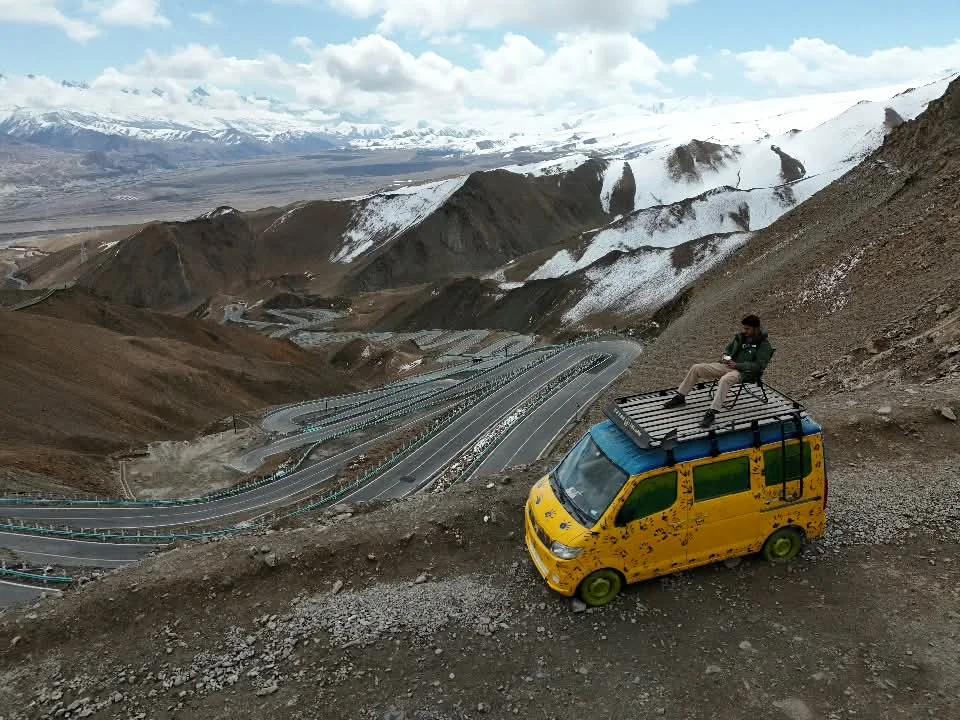
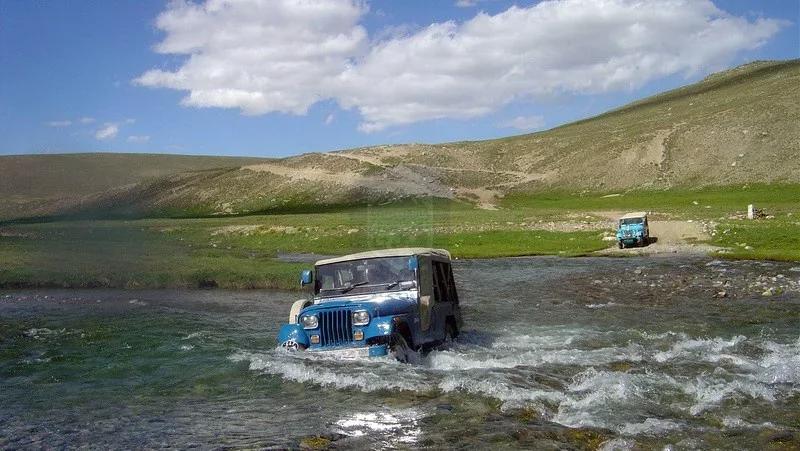
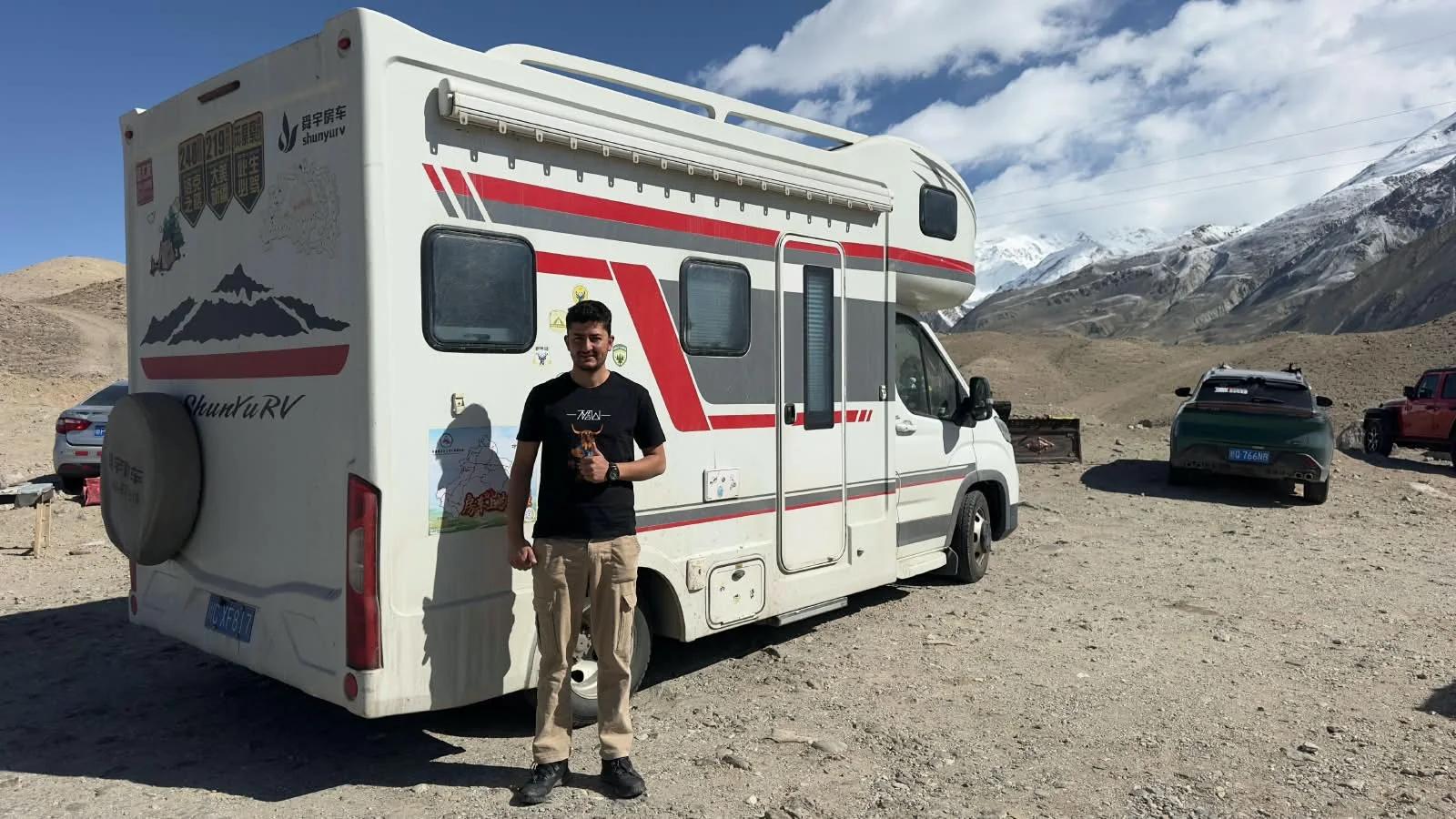
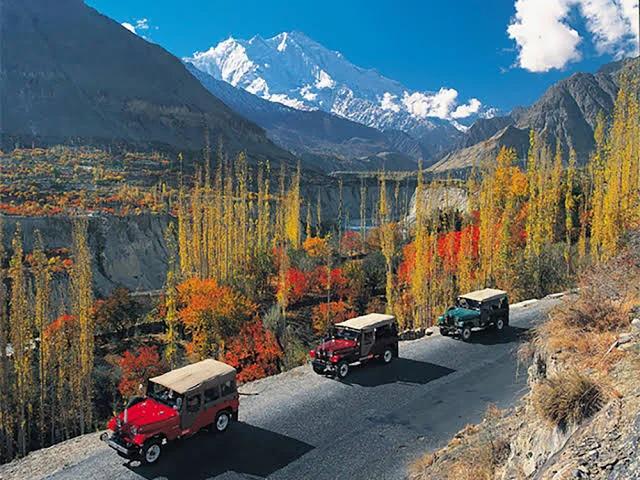
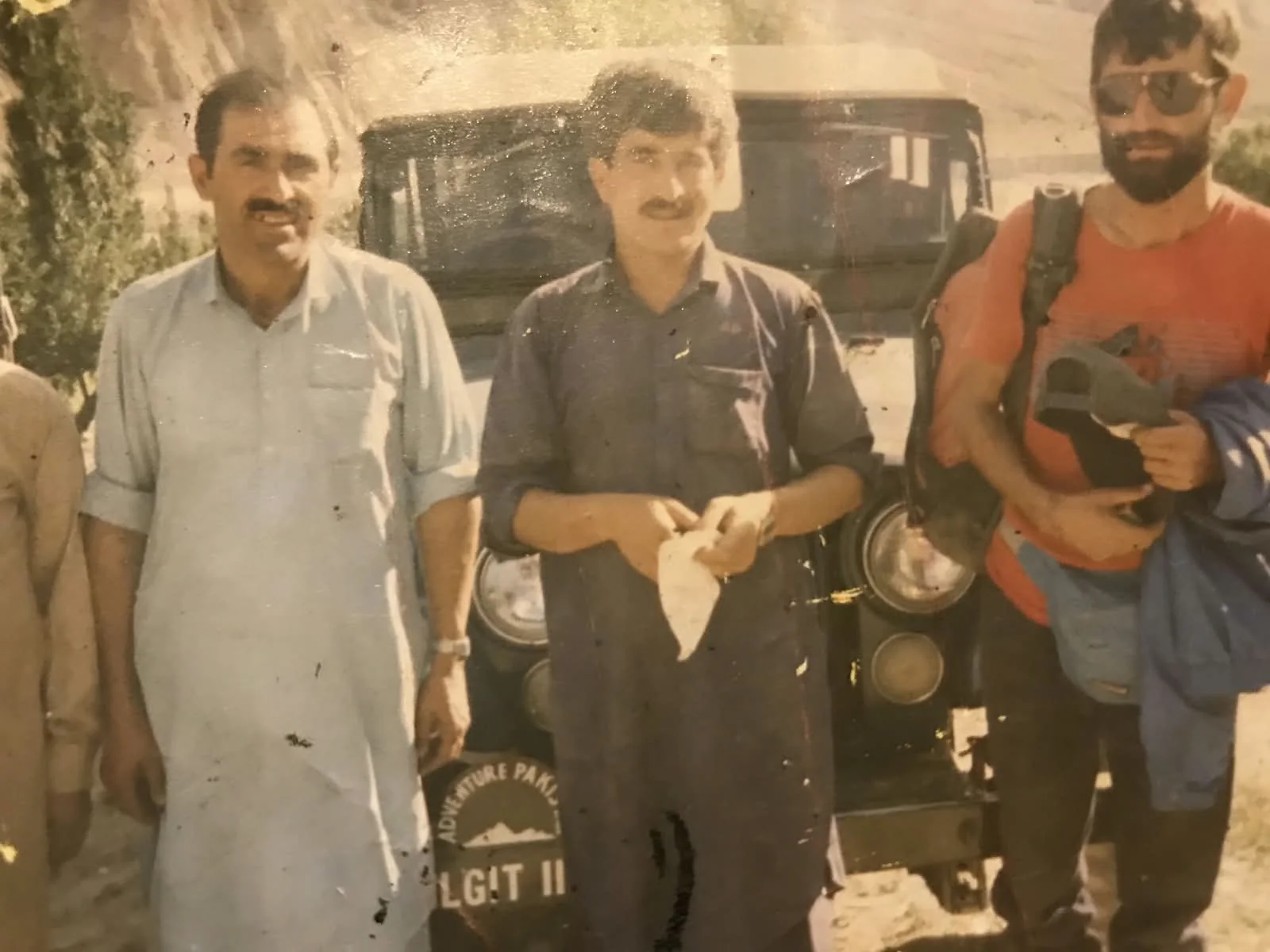
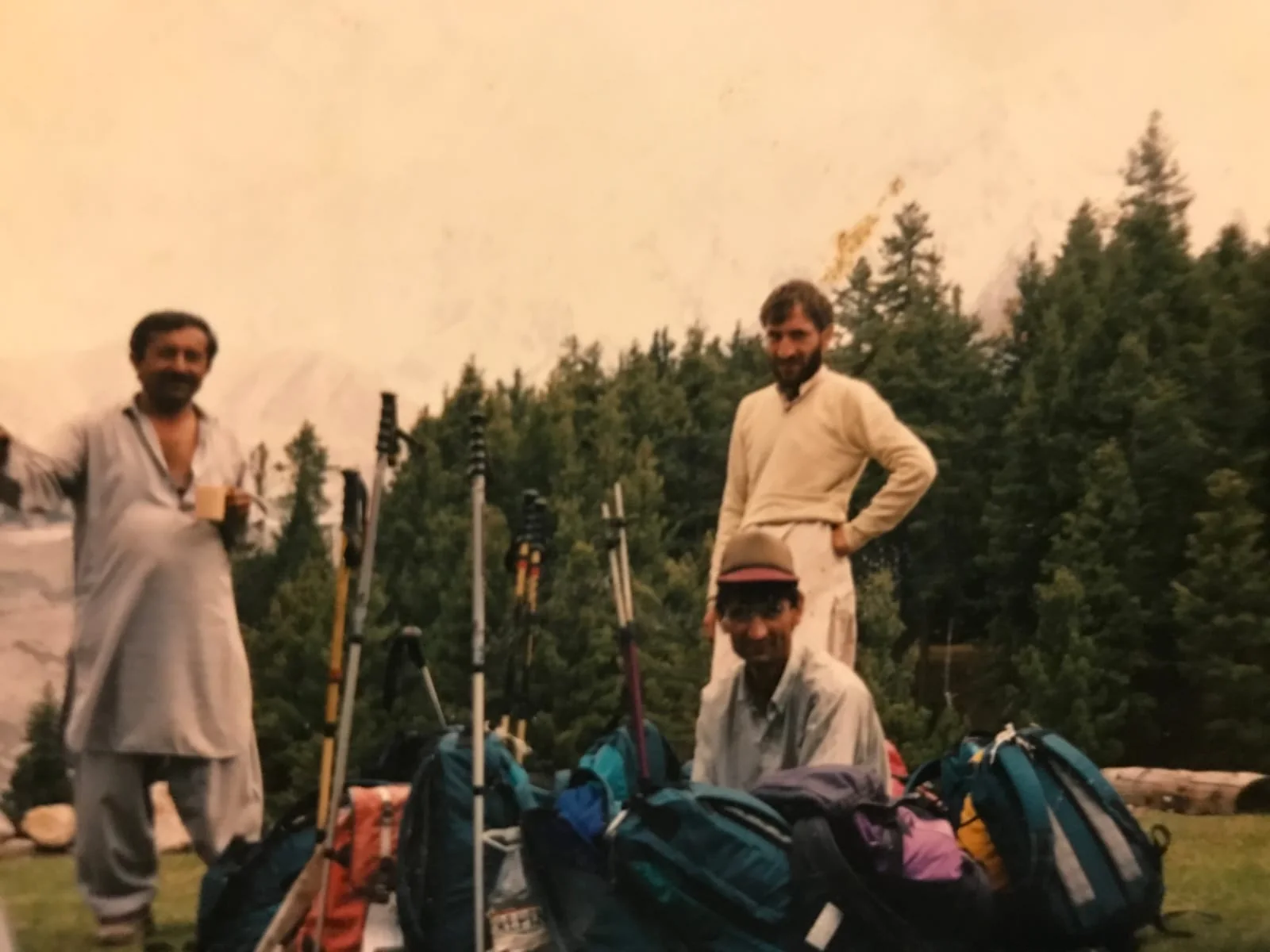
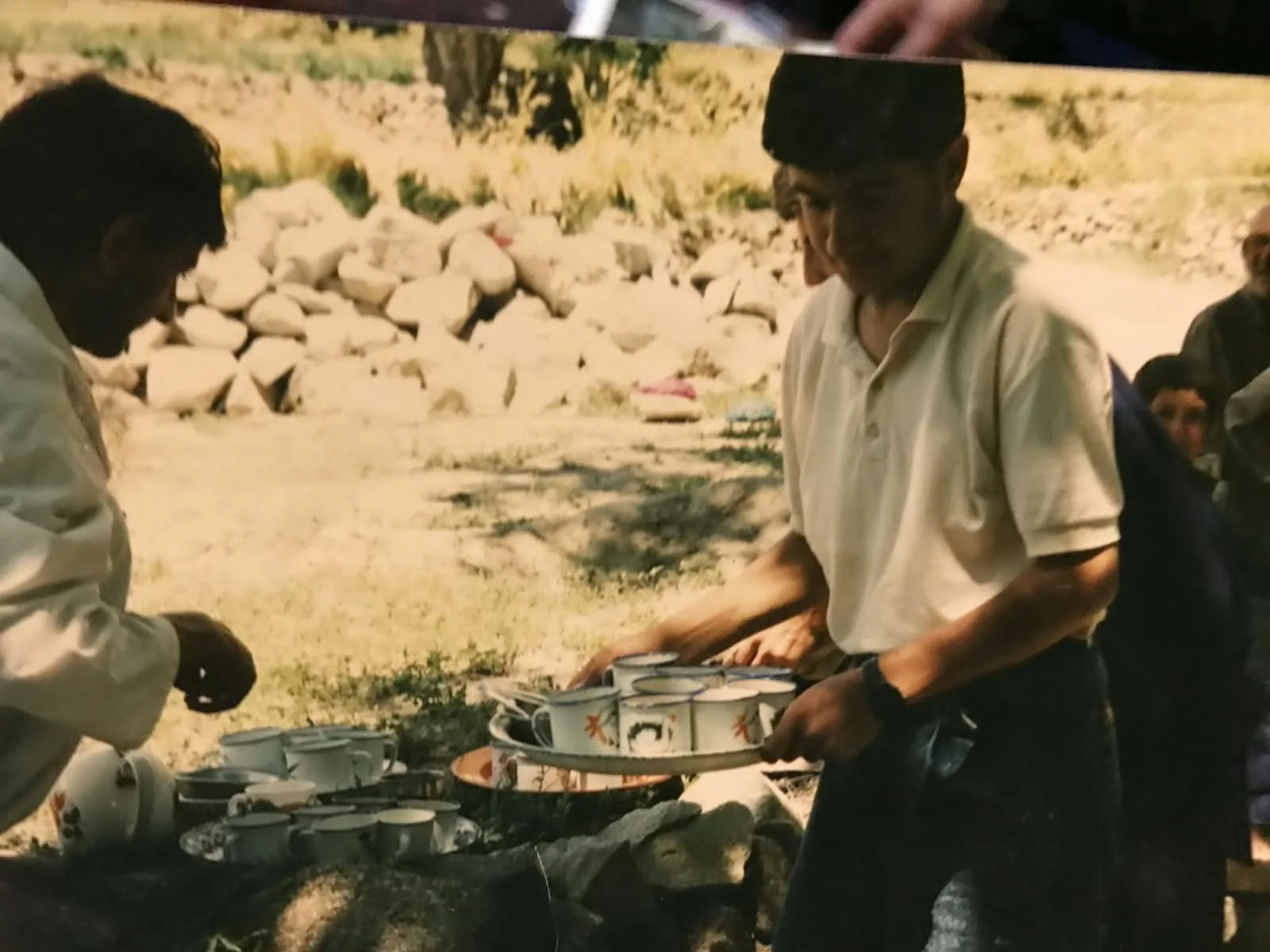
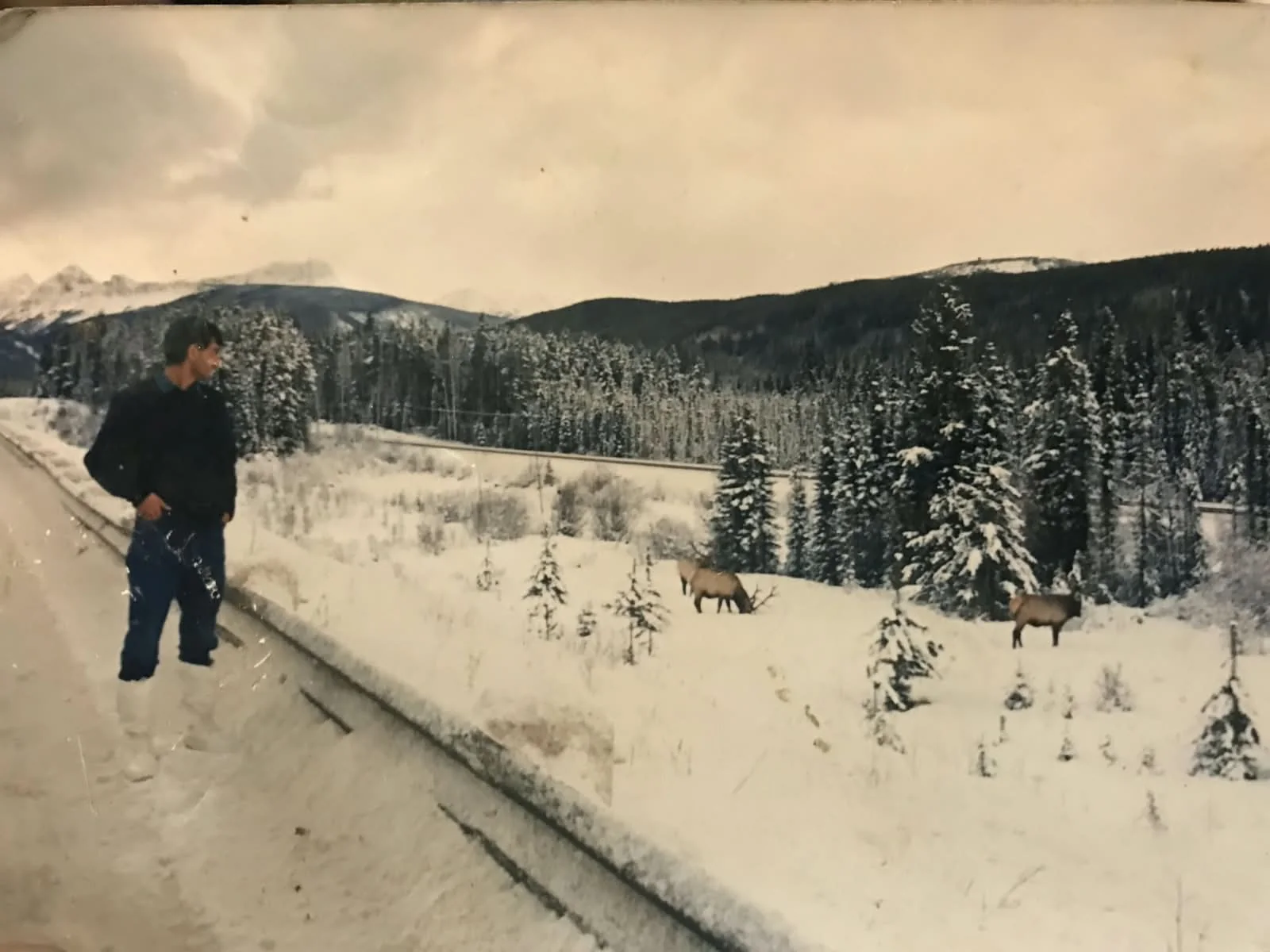
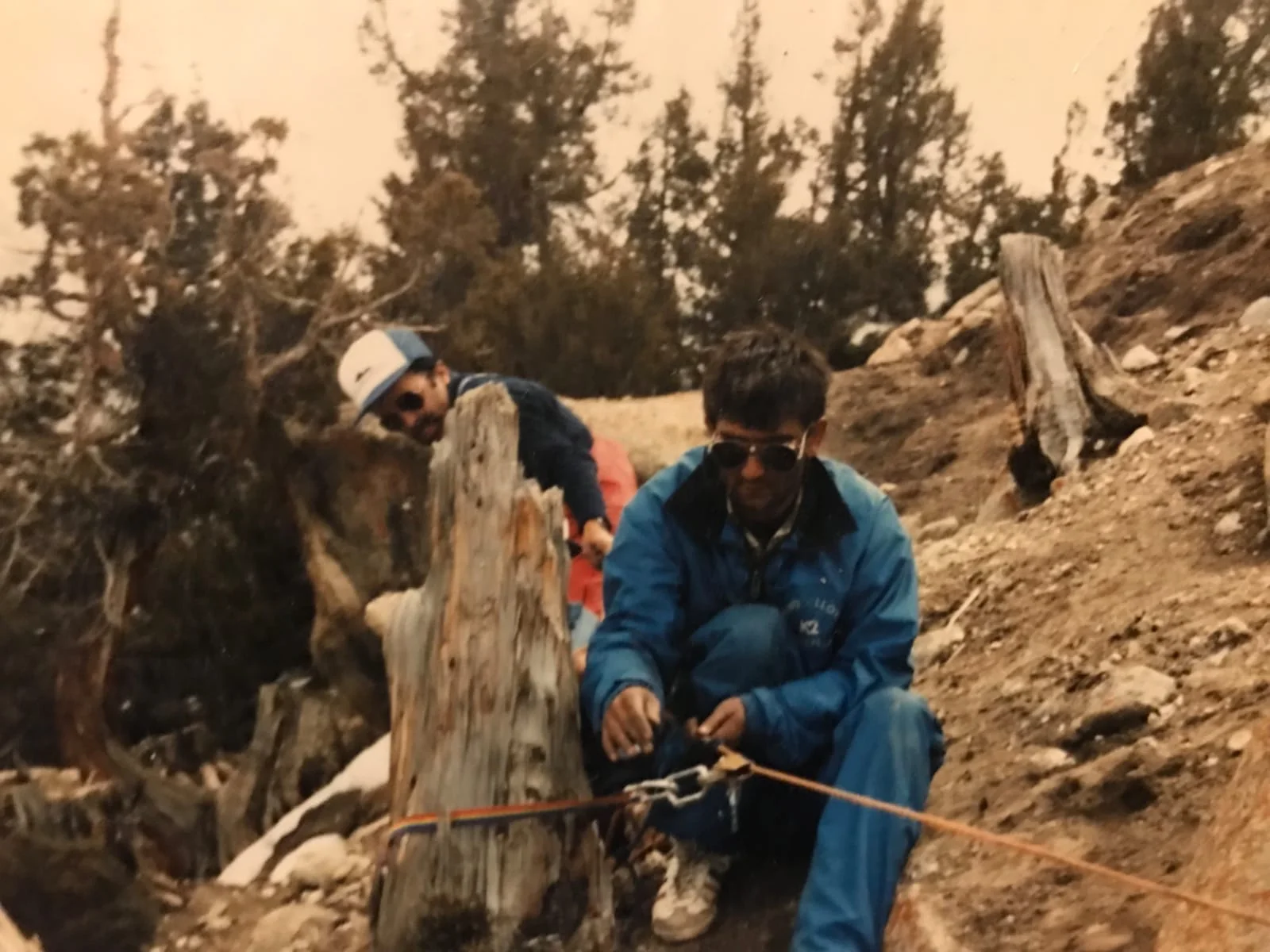
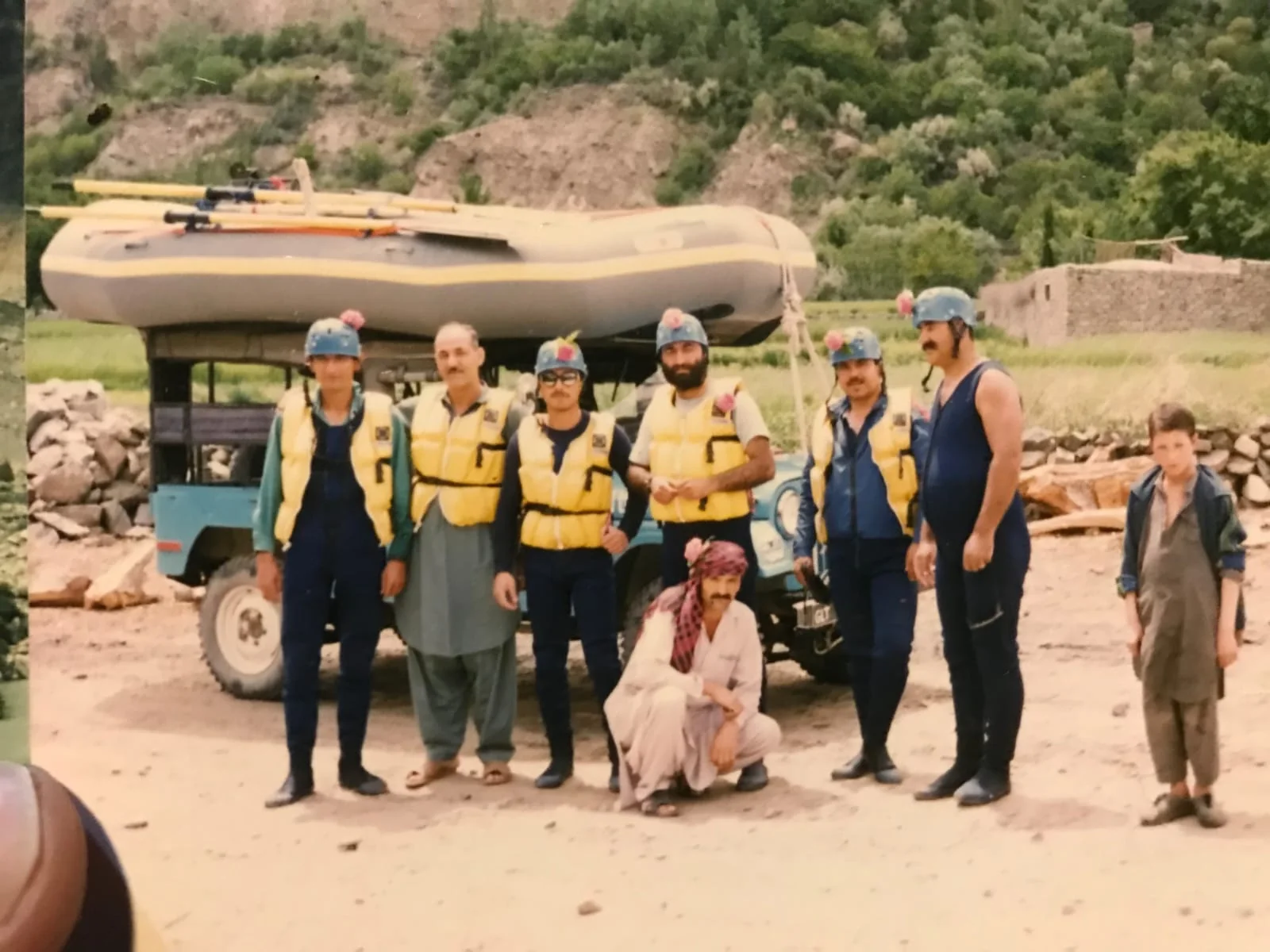
Guide, driver and route finder, and the man the rest of this was built on. Everything below is scanned from prints kept in the family albums. Keep scrolling and the page straightens out as the emulsion gives way to digital.
1980s
One jeep, one valley, no map
Beek Baig started guiding out of Gilgit when the Karakoram Highway was still raw, the Baltoro had no itinerary written for it, and the only way to know whether a pass went through was to walk up and look.
There was no office. There was a jeep, a crew who had grown up on that ground, and a reputation that travelled by word of mouth between one expedition and the next.
1990s
Routes that did not exist until someone walked them
Through the nineties the work was reconnaissance as much as guiding. Approaches to the high pastures. Connections between glacier systems that locals used and nobody had written down. Winter ground for the conservancy hunts that were just beginning.
Several of the trails on this site were walked first on those trips.
2000s
Conservation, by the people who live there
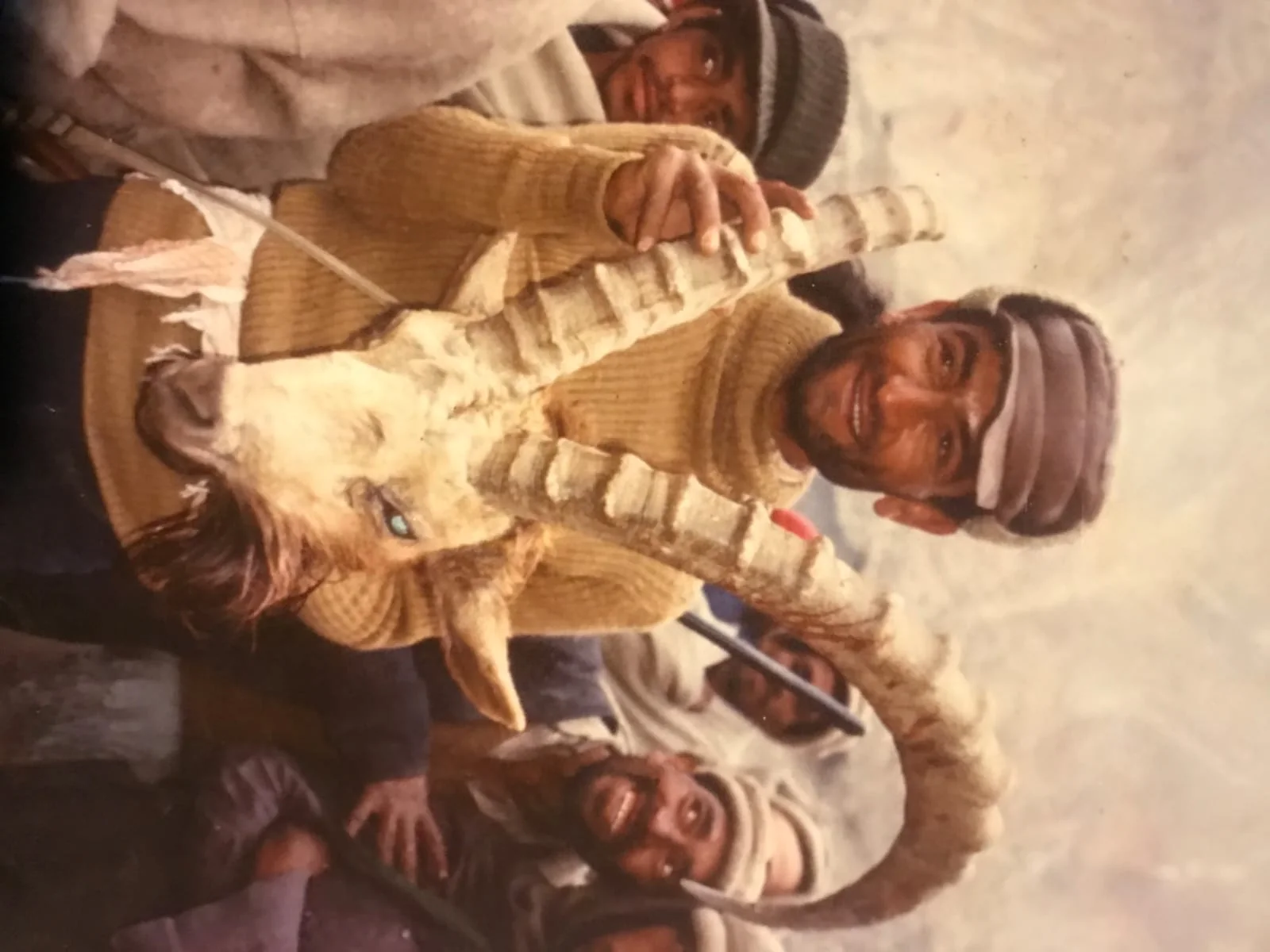
Gilgit-Baltistan's community conservancy programme turned trophy hunting from a problem into the reason the markhor came back, by giving each village a share of the permit fee and a reason to count its own herd.
We guided it from the early seasons, in the same valleys and with the same families we work with now.
Today
Wild Karakoram
Two generations in, the operation runs treks, conservancy hunts, overland safaris and cultural journeys across Gilgit-Baltistan, with a Land Cruiser fleet, licensed high altitude guides and a crew whose fathers carried for the first expeditions.
Ten itineraries, four disciplines, and a permit file considerably thicker than the one that started it.